Sundarbans
Pulses, regional rice, single-estate tea and South Indian filter coffee each line procured from the Indian state best known for the category, and catalogued like a naturalist's field collection.
The Sundarbans is where two rivers, two countries and a thousand species learn to share.
It is the world's largest mangrove delta, the place where the Ganges loses itself in the Bay of Bengal, and where every species that survives has had to negotiate with salt, silt and tide. Nothing about it is generic.
The name was chosen because the brand operates by the same logic. Every Sundarbans line is sourced from a specific Indian region with a documented reason, the soil, the season, the tradition of the cooks who eat it. Origin is the entire product.
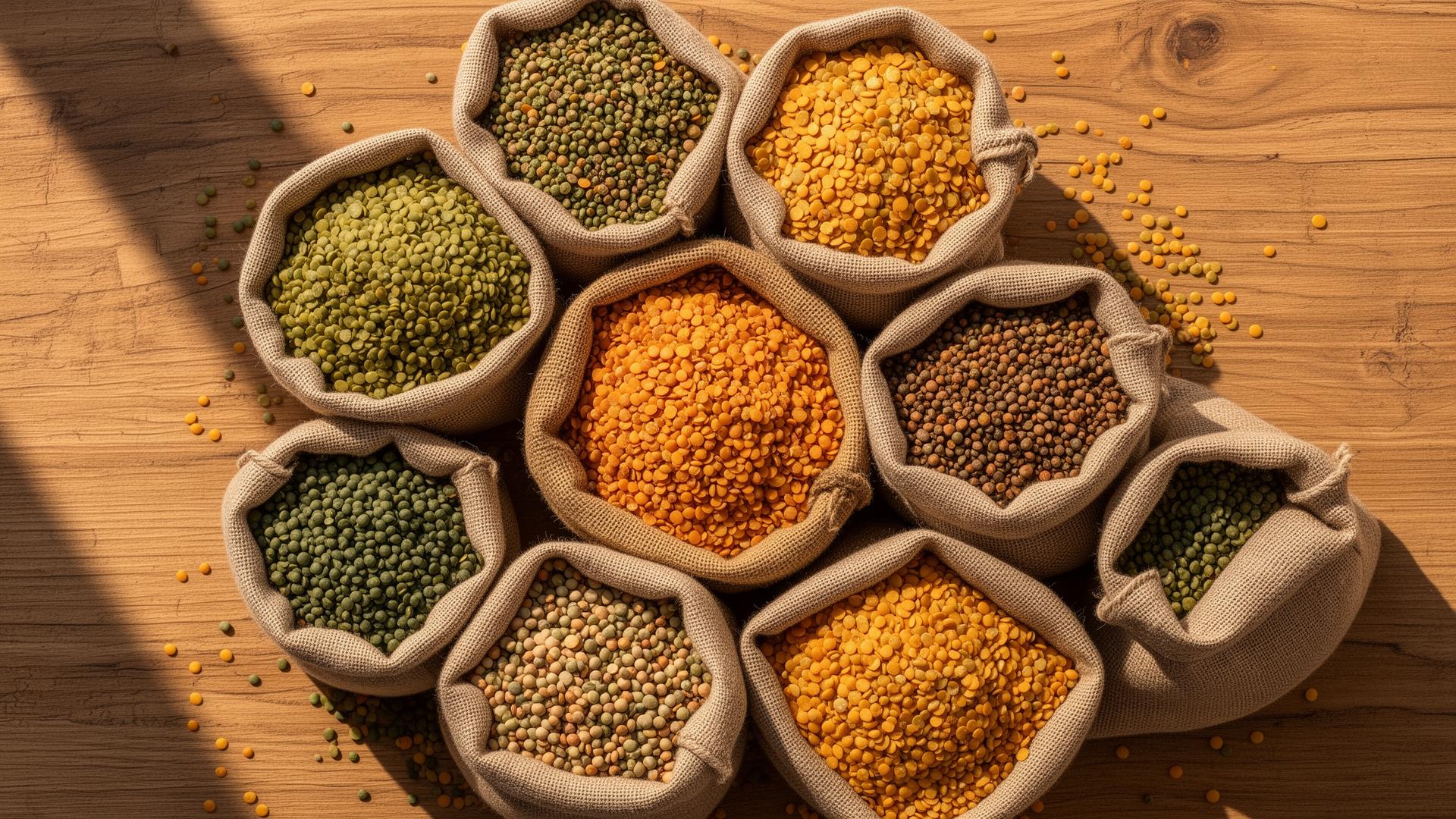
Seven pulses. Each sourced from the state that grows it best.
Three rices. Three jobs no commodity blend executes as well.
Light, aromatic, everyday rice.
Long grain, parboiled, fluffy cooking.
Soft, sweet, perfect for kheer and pulao.
Two cups. Two single-origin estates.
Assam CTC.
Procured directly from contracted estates in the Assam valley. Brisk, malty, full-bodied, engineered to hold its character under milk and against extended brewing in HoReCa urns. Available loose-leaf and in bulk tins.
Coorg Filter.
The classical South Indian 80/20, arabica from the Coorg highlands blended with chicory at the ratio that gives a filter decoction its weight. Medium-roasted, filter-ground, nitrogen-flushed in the pack.
The grower's name belongs on the back of the pack.
We're moving every line, region by region, onto direct cooperative buying, paid above the prevailing mandi rate, on multi-season contracts, with the farm of origin printed on the pack. Slower than an open-market call. Worth it.